

Blood Transfusion in ICU
Safe transfusion of blood products in the ICU. Confirm the indication, verify the patient and the unit at the bedside, transfuse to the right threshold, and watch closely — most reactions declare themselves in the first 15 minutes. Know the universal stop-and-assess algorithm cold, then branch to the specific reaction type.
1

Acute Leukemia
ICU management of acute leukemia and its emergencies. Four threats move fast and kill — tumor lysis, neutropenic sepsis, leukostasis, and APL coagulopathy. Get hematology in immediately, don't wait for confirmation to start ATRA when APL is suspected, and be cautious with red-cell transfusion before cytoreduction.
0

Tumor Lysis Syndrome
Prevention and treatment of TLS in the ICU. Fluid is the foundation — flush the tubules, lower the uric acid, and chase each electrolyte derangement while watching for the one trap: don't give calcium for asymptomatic hypocalcemia. Know the dialysis triggers and coordinate oncology, nephrology, and pharmacy early.
0

Noninvasive Mechanical Ventilation
Initiation, monitoring, and weaning of NIPPV (BiPAP / CPAP) in adult acute respiratory failure. Select the right patient, set pressures to the etiology, and watch the first 1–2 hours like a hawk — a failing trial means intubation, not more time. Never let NIV delay a needed airway.
0


Bowel Regimen Protocol
Prophylaxis and stepwise escalation for constipation in the critically ill. Start prophylaxis early in sedated, opioid-treated, and enterally fed patients, anchor every decision to the last bowel movement, and rule out ileus or obstruction before reaching for stimulants and enemas.
0
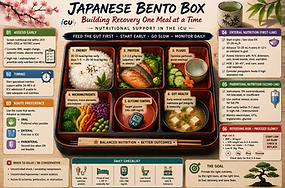
Nutritional Support for Critically Ill Patients
Nutrition support of the critically ill adult. Screen risk early, feed the gut first, and start within 24–48 h once resuscitated — but ramp slowly when refeeding risk is high. Oral beats enteral beats parenteral. Reassess tolerance, glucose, and electrolytes every day.
0

Abdominal Compartment Syndrome
ICU management of intra-abdominal hypertension and ACS. Measure the bladder pressure, defend the abdominal perfusion pressure, and unload the abdomen by every medical means — sedation, decompression, fluid removal — while arranging surgery. Sustained IAP > 20 mmHg with new organ dysfunction is ACS and an indication for decompression.
0

Anticoagulation Reversal
Reversal of anticoagulants and antiplatelets in active bleeding. Identify the agent and time of last dose, judge whether bleeding is life-threatening, give the right antidote, and control the source. Match every reversal to the specific drug — the wrong agent wastes the minutes that matter.
2

Hyperkalemia
Emergency management of hyperkalemia in the ICU. Work the five steps in order — protect the heart, shift potassium into cells, remove it from the body, stop what's adding to it, and monitor relentlessly. Calcium buys minutes; insulin buys an hour; only elimination and dialysis are definitive.
5


- 9Page 2
